

Pond Liner Guide: Sizing, Materials, What Lasts
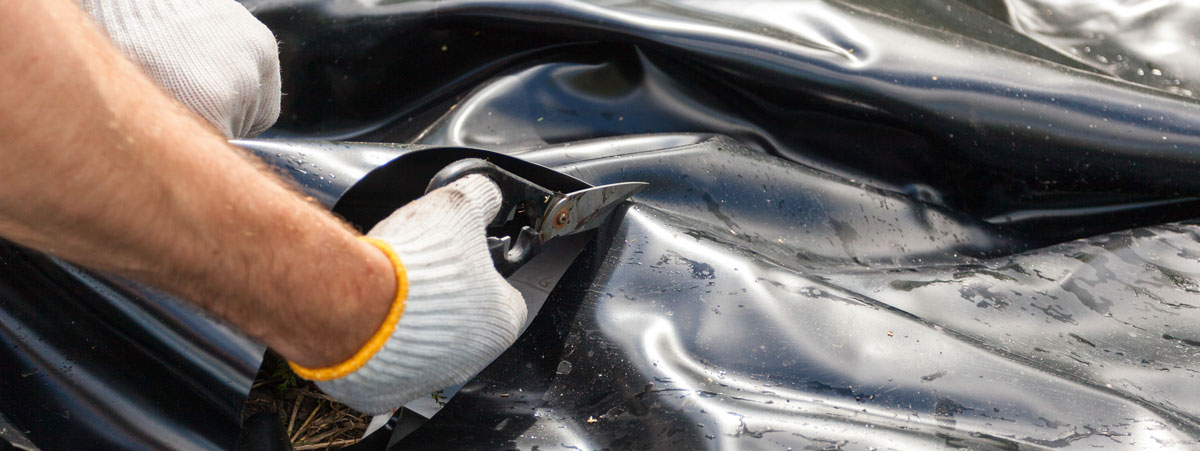
A pond liner is sized by a simple formula, but first you’ll need three measurements - the longest length, widest width and deepest depth of the pond. Getting these measurements right matters because the liner is the one part of a pond you cannot easily swap out once the excavation is done. Measure before anything else. In this guide, our Pond Techs cover the pond liner size calculator, why EPDM is the industry-standard choice, how underlayment protects your investment, and how to install your liner without creating problems later.
The Liner Math
If you have ever wondered how to measure pond liner, start with two simple formulas:
- Liner length: Pond length + (2 × maximum depth) + 2 feet
- Liner width: Pond width + (2 × maximum depth) + 2 feet
The additional 2 feet provides approximately 1 foot of extra liner around the entire perimeter.
For example, imagine your pond will be 12 feet long, 8 feet wide, and 3 feet deep at its deepest point.
- Length: 12 + (3 × 2) + 2 = 20 feet
- Width: 8 + (3 × 2) + 2 = 16 feet
You would need a pond liner measuring at least 20' × 16'. Always use the deepest point of the pond, not the average depth. If your measurements fall between available liner sizes, you will need to round up to the next size. So, for this example, a 20’ x 20’ liner would be required.
The Materials
EPDM Rubber: The Industry Standard
For most all ponds, EPDM rubber is the industry-standard pond liner for good reason. It is flexible, durable, fish-safe when manufactured for pond use, and designed to handle the temperature swings that come with outdoor installations.
EPDM remains flexible in cold weather and conforms easily to shelves, curves, corners, and other contours in a pond excavation. With proper installation and protection, quality EPDM will provide decades of service.
Choose EPDM specifically manufactured for ponds. Do not substitute roofing rubber. Pond liner is designed and manufactured for aquatic applications, while roofing products may contain materials or additives that are not appropriate for a fish pond.
Pond Liner Thickness
For most backyard ponds, a 45 mil thickness is the standard choice. It provides an excellent balance of durability, flexibility, and value, and it is thick enough for the demands of a properly prepared pond installation.
Thicker EPDM can make sense for larger or more demanding installations where additional durability is desired. But thicker is not automatically better for every pond. Proper excavation, quality underlayment, and careful installation are just as important to the long-term performance of the liner.
The goal isn't simply to buy the thickest liner available. It is to choose a quality EPDM liner appropriate for the pond and then give it the protection and installation it needs to last.
Underlayment Should Not Be Optional
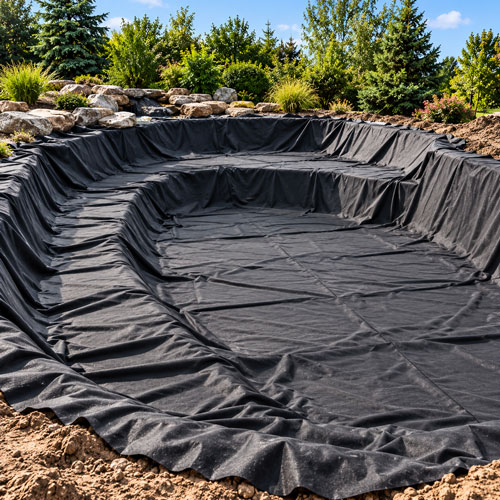
Pond underlayment is the protective layer between your liner and everything underneath it: rocks, roots, and other debris that could eventually create a puncture.
It is some of the cheapest insurance you can buy during a pond build. Skipping underlayment is one of the regrets our Pond Techs hear most often from customers who later find themselves chasing a mysterious leak or patching a liner. The ground may look smooth when the pond is built, but small objects and changes in the soil can put pressure on the liner over time.
Size your pond underlayment to match the liner, making sure the entire excavation is covered before the liner goes down. Install it over a properly prepared surface, smoothing out major folds and overlaps as needed. It doesn't have to look perfect. Its job is to create a protective barrier between the liner and the ground.
Installing Without Regret
Installing your liner is less about making it look perfect and more about letting it settle naturally into the shape of the pond. Folds are normal, and you will not eliminate every wrinkle.
Start with a properly prepared excavation and underlayment. Unfold the EPDM and position it so there is generous overlap around every edge. If possible, allow the liner to warm slightly in the sun before installation. A warm EPDM liner is much more flexible and easier to work with than one that is cold.
Pro-tip: Fill the pond slowly as you go. Allow the weight of the water to settle the liner into the contours of the excavation. This will help smooth everything out. Adjust large folds as the water rises.
Patch or Replace?
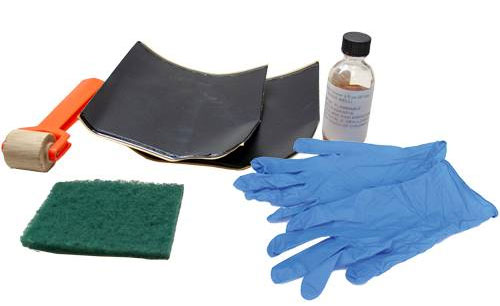
A single puncture does not automatically mean you need a new pond liner. If the liner is otherwise free of widespread deterioration, a proper patch can give it many more years of service.
The big question is whether the liner is failing in one location or showing signs that it has reached the end of its useful life. An older liner that has become brittle, cracked, or started leaking in multiple locations is telling you something. Continued patching may only be buying time.
If you're trying to find a leak, start by letting the water level settle naturally. If the pond stops losing water at a particular level, inspect the liner carefully around the waterline where the level stopped. Check folds, corners, and areas where rocks or other objects may have contacted the liner.
Common Questions About Pond Liners
What size liner do I need for my pond?
The formula is this:
- Liner length: Pond length + (2 × maximum depth) + 2 feet
- Liner width: Pond width + (2 × maximum depth) + 2 feet
Always use the pond's deepest point rather than its average depth, and round up to the next available liner size. Extra material can be trimmed after installation.
What thickness should a pond liner be?
45 mil is the standard thickness for most backyard ponds. It offers a good balance of durability, flexibility, and value. Thicker EPDM can make sense for larger or more demanding installations where additional durability is desired.
Is EPDM safe for fish?
Yes, pond-grade EPDM is safe for fish. The important distinction is choosing EPDM specifically manufactured for ponds and aquatic applications. Avoid using roofing rubber as a substitute for a proper fish-safe pond liner.
Can I put a new liner over an old one?
Almost always, as an old liner can provide another layer of padding beneath a new liner. Before installing the new liner, make certain to take a razor knife and score the bottom in a few spots. This will allow for proper drainage if any water was to ever make its way in between.
Measure Twice, Line Once
Then give the liner some patience. Let it warm up, allow the filling water to settle it naturally into the excavation, and resist the temptation to trim away useful material too early. A little extra liner is cheap insurance compared with discovering that you came up short.
Then give the liner some patience. Let it warm up, allow the filling water to settle it naturally into the excavation, and resist the temptation to trim away useful material too early. A little extra liner is cheap insurance compared with discovering that you came up short.
If you want a second set of eyes before ordering, email our Pond Techs your pond's length, width, and maximum depth. We'll check the liner and underlayment size with you so you can order with confidence.
Article Posted: 10/20/2026 07:27:43 AM
